Populations and samples
A target population is the group a study aims to describe, and its observed sample is the group from which the study collected data.
On this page 7 sections
01The target population is the group a study aims to describe#
The target population is the group a study aims to describe. The observed sample is the group actually measured. Specify who belongs and any relevant time window.
Suppose the target is records , but only are observed. All five remain in the target; the sample contains .
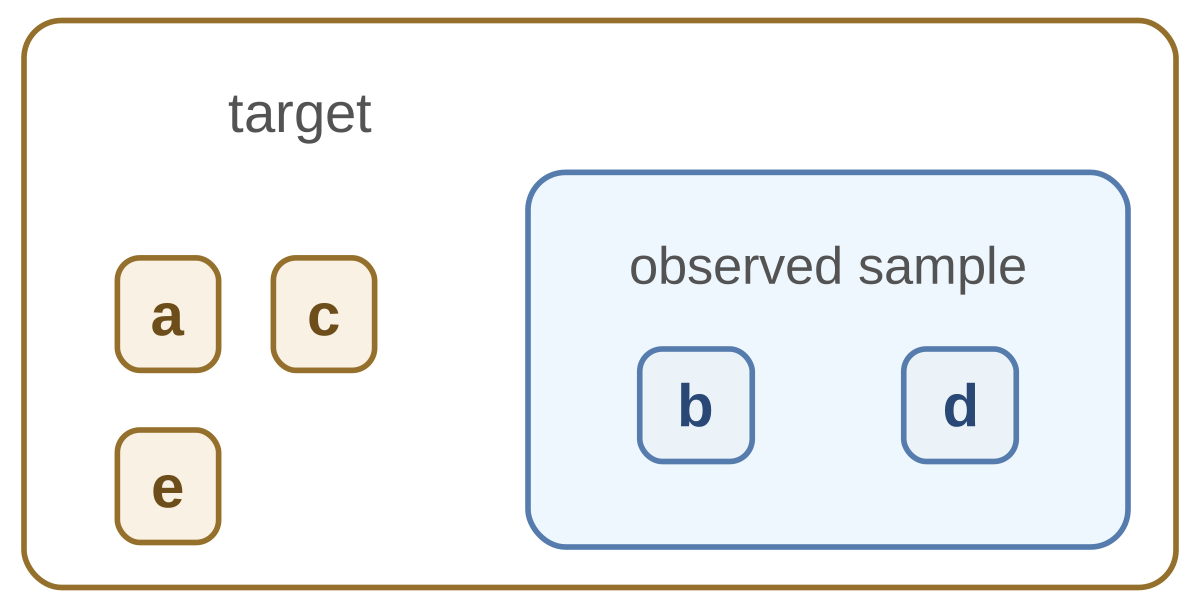
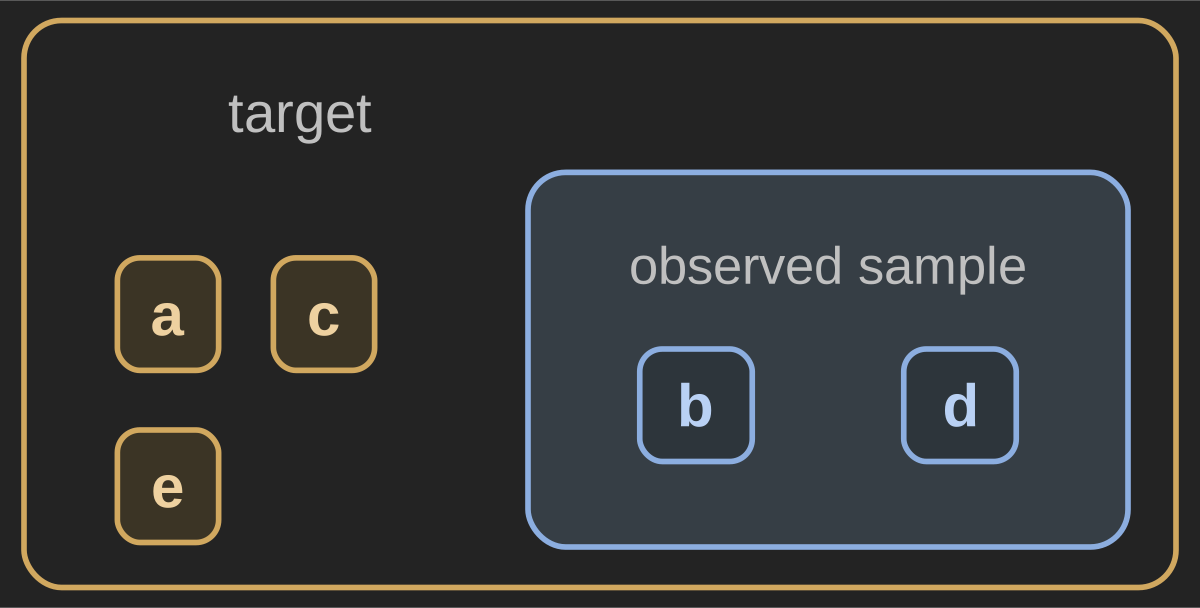
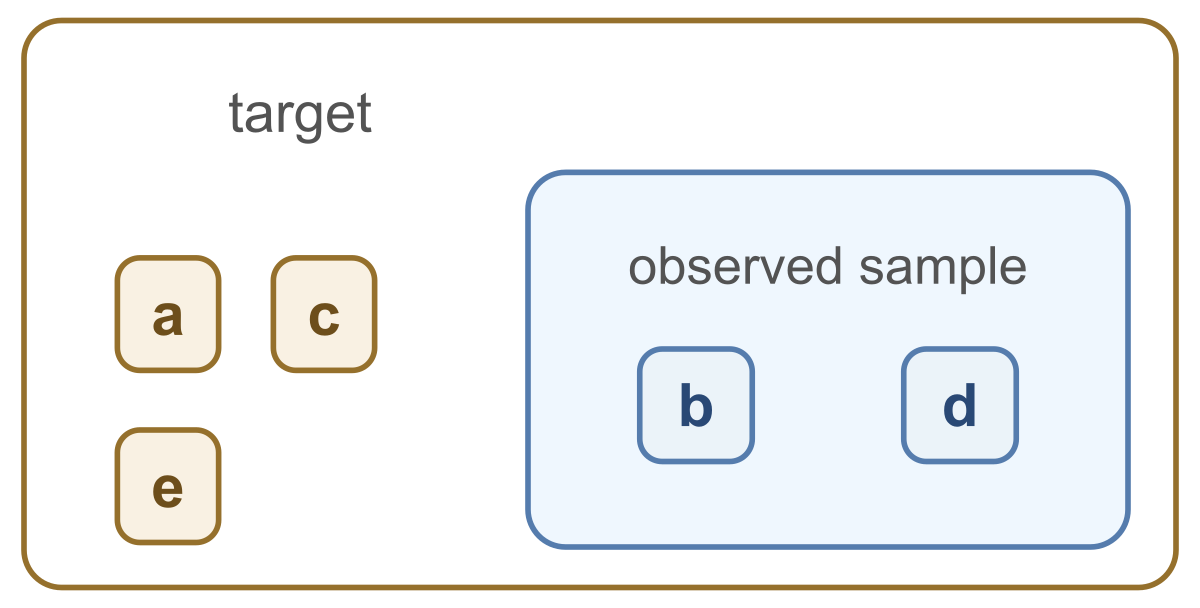
Study goal: all in class. Observed: 6 surveyed. Population / sample?
Show answer and explanation
Target all; observe six.
02A collection may also contain records outside the target#
A collection may also contain records outside the target. If the study uses measured target records, keep only rows that meet both conditions. Here a flag of means yes and means no.
Target: eligible. Sample: measured target. (eligible, measured; 1=yes): a(1,0), b(1,1), c(0,1). Population / sample?
Show answer and explanation
Eligible a,b; sample b.
03Convenient data does not change the study’s stated goal#
Convenient data does not change the study’s stated goal. Morning visitors can be a sample for a study of all visitors. Having their data does not establish that they represent everyone.
Study goal: all app learners. Observed: 9 volunteers. “Population=9.” Population / sample?
Show answer and explanation
Nine were observed.
Use the study goal to identify the population and the actual observations to identify the sample. Available data alone does not establish representation.
- Identify the target and observed groups.
Sources & further reading
- [1]