Linear combinations
A linear combination is a sum of scalar multiples of equal-dimension vectors.
On this page 7 sections
01A linear combination builds a vector by scaling supplied vectors and adding the results#
A linear combination builds a vector by scaling supplied vectors and adding the results. In , the numbers and are the weights; each weight multiplies every coordinate of its vector.
With and , find . Scaling gives and . Their first coordinates sum to −1; their second coordinates sum to 5.
For and , find .
Show answer and explanation
Double to , then add : .
02Weights can be positive, negative, or zero#
Weights can be positive, negative, or zero. A zero weight contributes a zero vector. The weights do not have to add to one. With more vectors, scale each by its own weight and add all the contributions.
For and , find .
Show answer and explanation
Zero removes . Scale both entries of by −2.
03For and , join and head to tail#
For and , join and head to tail. The total is .
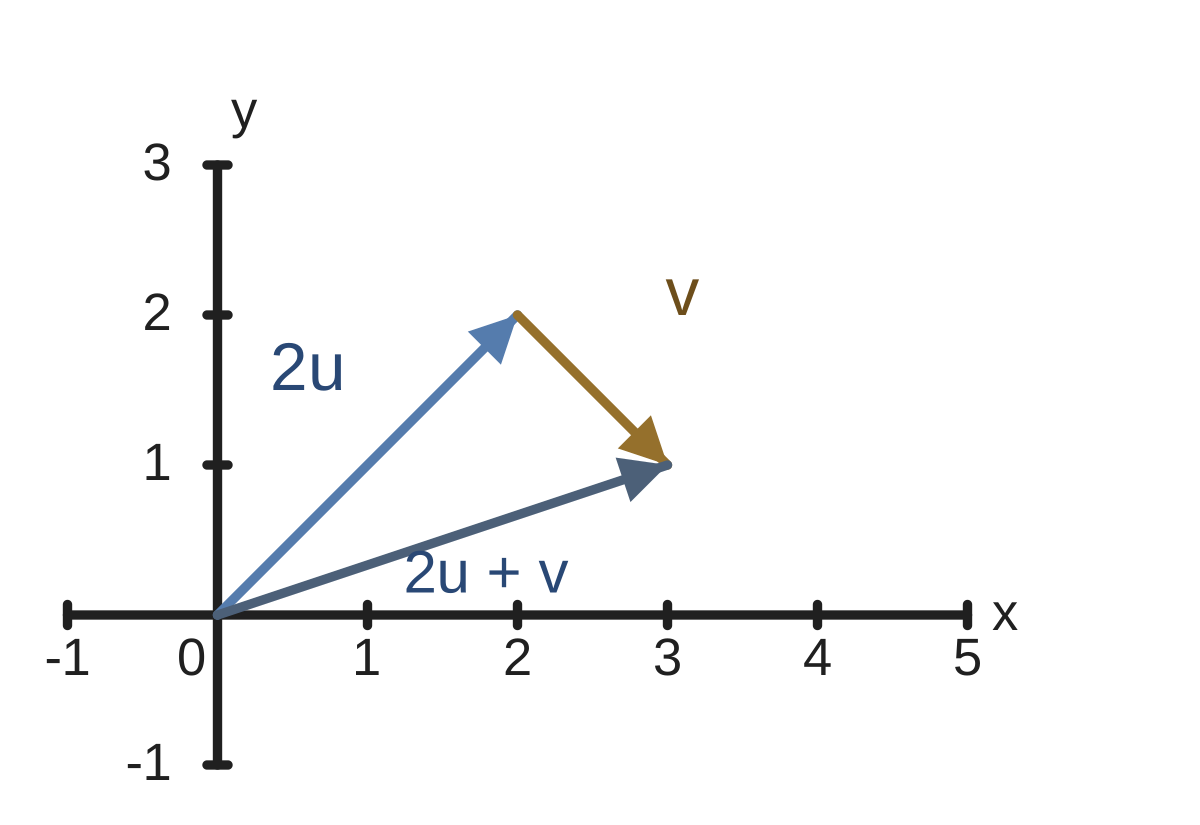
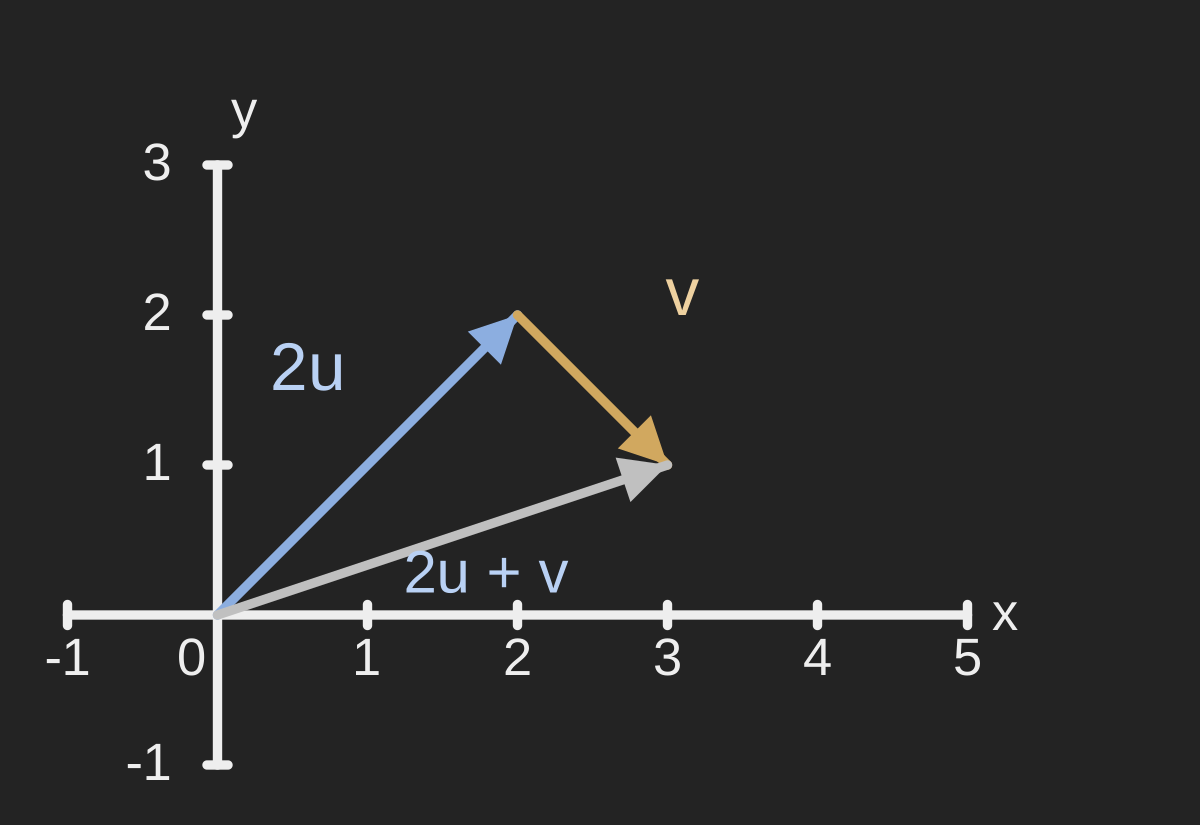
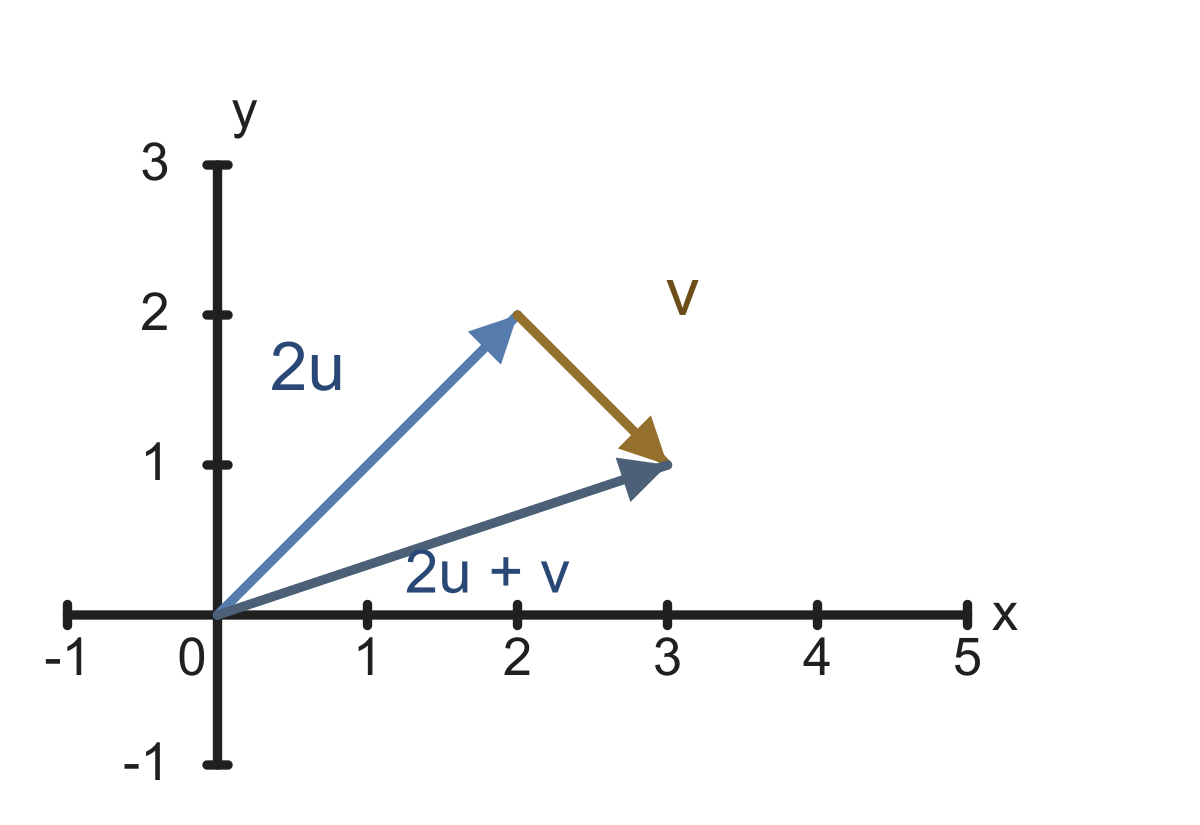
A state gets update twice, then reverses update . Total change?
Show answer and explanation
Combine with to get .
Scale each whole vector by its weight, then add matching coordinates.
- Construct a weighted sum of supplied vectors.
Sources & further reading
- [1]Ohio State Ximera: Linear combinations and linear independence ↗Ohio State Ximera · Book